A magazine as a signature: brand publishing goes beyond mere content

In fashion, luxury is no longer limited to a bag, a suitcase, a campaign, or a runway show. Fashion houses are now constructing entire universes. They are investing in art. They are supporting design. They are publishing books. They are creating cultural objects designed to last. With Der Eigene, Rimowa confirms this evolution. The German company isn't offering a disguised promotional tool. It is championing a publication conceived as a collector's item. An object to keep. An object to browse. An object that circulates in bookstores, studios, hotels, and creative spaces.
The fifth issue, unveiled in June 2026, was entrusted to American photographer Ryan McGinley. This choice goes beyond mere image collaboration. It establishes a stance. Rimowa presents itself as a cultural publisher. The brand embraces an artist's perspective. It gives him space. It favors storytelling over direct advertising.
This strategy aligns with a strong trend in the luxury landscape of 2026.Premium consumers are growing tired of campaigns that are consumed too quickly. They seek proof of taste. They seek culture. They seek a brand capable of producing something more than just a commercial message. Print publishing meets this expectation. It requires time. It demands artistic direction. It dictates a choice of paper, images, text, and pacing. It puts the physical medium back at the heart of the narrative. A magazine then becomes a branded item, just like an accessory.
Der Eigene: a queer heritage carefully reactivated
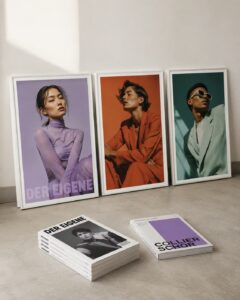
The name Der Eigene is far from insignificant. The original publication was founded in Germany in 1896. It is generally considered one of the first magazines dedicated to homosexual experiences. Its title evokes the idea of singularity, autonomy, and self-affirmation. Reviving such a name therefore requires more than just good art direction. The subject touches on a history. It touches on struggles. It touches on identities that have long been rendered invisible. For a luxury brand, the risk is real. A queer aesthetic cannot become mere campaign decor.
Rimowa relaunched Der Eigene in 2022. Since then, the company has published an annual issue during Pride Month. This continuity changes how we perceive the project. The brand isn't simply engaging in a one-off event. It's establishing a regular occurrence. It's building a collection. It's also embracing a certain responsibility.
The fifth volume extends this approach. It doesn't treat queer culture as a visual trend; it places it at the center. The publication draws on a community of artists, activists, and unique voices. The result is less about a manifesto and more about a sensitive portrait. For the luxury sector, this distinction is crucial. Brands are now judged on their consistency. The public looks at commitments, observes collaborations, and scrutinizes the space given to creators. They quickly distinguish a genuine cultural initiative from opportunistic co-optation.
Ryan McGinley: a vision of freedom, more than just a signature photo
Entrusting this issue to Ryan McGinley was a very logical choice. The American photographer is known for his images of youth, community, movement, and vulnerability. His work doesn't strive for polished perfection. He prefers moments of presence. He captures bodies in their freedom.
In this fifth issue of Der Eigene, Ryan McGinley photographs his own queer community in New York. The portraits unfold in familiar spaces: staircases, rooftops, fire escapes, facades, interiors. The city becomes an intimate backdrop, never overwhelming the people photographed. This approach lends the magazine a particular depth. The faces don't serve a slogan; they carry a story, they embody a relationship, they create a sensitive archive. Luxury here becomes a framework for dissemination, not the main subject.
Rimowa, however, stands to gain a great deal from this delegation. The brand asserts a demanding visual culture. It moves closer to the art book. It appeals to an audience receptive to contemporary photography. It brings its name into a conversation that extends beyond travel.
Ryan McGinley's choice also supports Rimowa's territory. Mobility is part of the brand's DNA. And movement permeates his work. Travel becomes a way of self-discovery. A way of encountering others. A way of escaping rigid categories. This resonance remains subtle. It avoids being overt. This is precisely what gives the project its strength. A good brand culture doesn't constantly repeat the brand name. It creates a universe in which the brand naturally feels at home.
The queer collector's magazine: when paper becomes an object of desire again
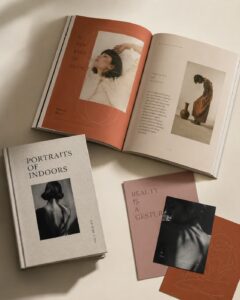
The word "collector" matters. It changes the perception of the magazine. Der Eigene isn't conceived as disposable reading. It becomes a collector's item. It can find a place on a bookshelf. It can be displayed on a coffee table. It can be passed from hand to hand. This logic aligns with the new codes of luxury. Rarity remains important. So does material quality. The premium consumer isn't always looking for exclusivity for its own sake. They're looking for an object that justifies its status. An object with a history. An object that stands the test of time.
The 2026 edition has a print run of 500 copies worldwide. It is distributed free of charge in select bookstores. In Paris, the magazine is notably available at Yvon Lambert. This method of distribution reinforces the object's status. You have to know where to find it. Sometimes you have to travel. You have to enter the right place. This quest is part of the experience. Luxury often rests on the desire for access. It plays with distance. It values discovery. Here, Rimowa isn't selling a magazine. The company is creating a cultural exchange. It is installing its object in places already recognized for their artistic excellence.
Paper plays a central role. Screens accelerate image consumption. A magazine imposes a different rhythm. We turn the pages. We observe a photograph longer. We return to a text. We pay attention to detail. Print becomes almost an act of resistance against the constant flow. For a travel company, this return to physical materials also makes sense. Rimowa has long worked with durable objects. The collector's magazine extends this relationship to craftsmanship. It becomes another way of speaking about precision, form, and memory.
A discreet business strategy: attracting a premium audience without sales pitches
Why would a luggage brand invest in a queer collector's magazine ? The answer is simple: Rimowa wants to boost its desirability. The full answer is more interesting: the brand is transforming its image into a cultural asset.
The reader of Der Eigene is not an advertising target in the traditional sense. They might be a collector, an art director, a stylist, a curator, a photographer, a book lover, a curious traveler, an existing loyal customer, or a potential customer. This audience often shares a similar appreciation for cultural markers. The magazine acts as a gentle filter, attracting people who recognize a certain aesthetic. It doesn't push for immediate purchases. It builds a sense of connection, suggesting that Rimowa belongs to a specific world: the world of imagery, the world of creation, the world of the exchange of ideas.
In the luxury sector, this strategy is invaluable. An advertisement can spark desire. A cultural project can create attachment. The difference is significant. Desire is fleeting. Attachment lasts. It fosters loyalty. It transforms a brand into a benchmark. This mechanism also relies on endorsement. A magazine spotted in a high-end bookstore can spark a conversation. It can be photographed. It can appear in someone's home. It can be given as a gift. It can become a symbol of good taste. The brand then circulates through the eyes of others. Rimowa doesn't need to place its suitcases on every page. The publishing world already does the work. This is the principle of brand publishing . The object speaks first and foremost of culture. The brand then benefits from this aura.
Luxury, commitment, image: the need for lasting consistency
Publishing a queer magazine requires precision. The fashion industry has often used LGBTQIA+ imagery for its visual power. Nightlife. Freedom. Transgression. Style. These references can be powerful. They become problematic when divorced from the realities they evoke. The risk of rainbow washing exists. The public is aware of it. A rainbow campaign in June is no longer enough. Consumers expect action. They look at the long term. They observe the featured individuals. They are interested in collaborations. They want to know who truly benefits from the project.
The continuity of Der Eigene provides a partial answer. The magazine returns every year. It builds a memory. It creates a collection. It gives lasting visibility to various talents. This repetition doesn't guarantee everything. However, it demonstrates a desire to establish itself over time.
Authenticity doesn't mean perfection. A brand can't single-handedly solve representation challenges. However, it can create fairer spaces. It can compensate artists. It can grant genuine creative freedom. It can avoid simplistic narratives. It can embrace diversity. In the luxury sector, commitment is expressed through the quality of the gesture, the quality of the casting, the quality of the message, and the quality of its distribution. The public quickly perceives the difference between a mere publicity stunt and an initiative conceived with respect. Rimowa is taking a delicate path here. The brand leverages its reach. It partners with a renowned artist. It re-releases a historic track. The project's value will always hinge on this crucial requirement: preserving the voices of those represented.
Format, distribution, price: luxury is also about access
In the luxury sector, distribution is as important as the product itself. A magazine available everywhere doesn't have the same impact as an issue entrusted to a select few bookstores. Controlled access creates anticipation. It transforms reading into a discovery.
The fifth issue of Der Eigene is being offered free of charge. This choice may seem surprising. However, making it free doesn't diminish the value of the publication. On the contrary, it allows Rimowa to offer a cultural piece while preserving its exclusivity through a limited print run. The gesture is akin to an invitation. It's not about selling merchandise. It's about granting access to a world. The reader receives an object. They enter into a conversation. They sometimes become a natural ambassador for the project.
The presence at Yvon Lambert in Paris is part of this strategy. The bookstore already has a strong reputation in the contemporary art world. Rimowa isn't creating an artificial space. The brand is integrating itself into an existing ecosystem. It accepts the conventions of the publishing world. This selective distribution also prevents dilution. A Rimowa collector's magazine isn't aiming for volume. It's aiming for relevance. It wants to reach the right audience. It wants to exist in the right contexts. Luxury often relies on this logic of precision. However, scarcity shouldn't become a mere tool for exclusivity. The project gains strength when it truly circulates. When it reaches the intended readers. When it nurtures a community. When it opens up dialogues beyond the usual circles of luxury.
How the editorial engages in dialogue with Rimowa without becoming a catalogue
The pitfall of a branded publication is well-known. Too many logos. Too many products. Too many messages. The reader quickly realizes they're holding a sophisticated brochure. The object loses its credibility. It becomes interchangeable. Der Eigene avoids this trap by letting the creative process take center stage. Ryan McGinley doesn't seem to be illustrating a brand message. He's developing a vision. He gives a voice to his loved ones. He's compiling a personal archive. The magazine then exists in and of itself.
The dialogue with Rimowa unfolds differently. It rests on the theme of movement. On the city. On journeys. On encounters. On chosen communities. These notions belong as much to the vocabulary of travel as to that of identity. This correspondence remains open. It doesn't force a connection. It allows the reader to forge their own path. This freedom is precious. It avoids commercial demonstration. It respects the intelligence of the audience.
Materiality also plays a role. A Rimowa suitcase is designed to stand the test of time. A well-made magazine is made to last. The two objects are not alike. Yet they share the same idea: to preserve, transport, and pass on. Contemporary luxury increasingly seeks this kind of consistency. It is no longer enough to be recognizable. Consistency is essential. Image, product, service, and culture must all speak the same language. Rimowa Der Eigene is becoming an example of this understated strategy.
When fashion houses become publishers: fashion now prefers the long narrative
Rimowa is not alone in this approach. Fashion has long explored books, magazines, newspapers, exhibition catalogs, and travel guides. These formats allow brands to break free from the advertising cycle. They create a slower pace of life.
The phenomenon accelerates in 2026. Platforms impose fast-paced formats. Trends follow one another at a rapid rhythm. Brands are therefore seeking more stable spaces. They want to produce items capable of surviving a season, a campaign, an algorithm. Publishing becomes a credible answer. It offers more space for images. It allows for longer texts. It values the work of authors. It encourages a more active reading experience. It builds a publishing legacy.
For luxury brands, this heritage holds strategic value. It strengthens their cultural capital. It adds depth to their image. It demonstrates that they can fund creative endeavors without seeking total control. It lends substance to their message. The risk, however, remains. A brand might publish simply to appear cultured. It might replicate the codes of independent publishing without grasping its essence. The difference lies in the substance. In the talents invited. In the freedom granted. In the quality of the finished product. With Der Eigene, Rimowa has chosen a more demanding path. The brand is not producing a mere fashion magazine. It is engaging with a queer narrative. It is collaborating with artists. It is transforming its name into a platform for cultural dissemination.
What Der Eigene reveals about luxury in 2026: slowness, culture, desirability
Luxury in 2026 faces a paradox. It must remain visible. It must adapt to new trends. It must speak to younger generations. It must also champion durability, quality, legacy, and the well-crafted object. Der Eigene responds to this tension. The magazine circulates in a world dominated by immediacy. Yet it proposes slowing down. It invites us to look. It asks us to touch the paper. It gives us the time to discover an image, a text, a presence.
This slowing down becomes a form of desirability. Luxury doesn't seduce solely through novelty. It also seduces through what endures. A collector's magazine can last for years. It can become an archive. It can tell the story of an era. It can acquire sentimental value. Rimowa thus demonstrates that a brand can be more than just a manufacturer of objects. It can become a publisher. A conduit. A creative partner.
This stance demands humility. It also demands a clear vision. The fifth issue, entrusted to Ryan McGinley, doesn't directly sell a suitcase. It sells something better. It builds a brand image nourished by freedom, photography, inner journeys, and community. It offers a luxury that is read, kept, and passed down. Perhaps this is the true strength of Der Eigene by Rimowa: not seeking immediate conversion, but first creating meaning, then awakening desire.
Sources
- The Journal du Luxe, “Rimowa unveils the annual issue of its editorial project Der Eigene”.
- OpenEdition Journals, “Der Eigene et Akademos”, a study devoted to the history of European queer journals.