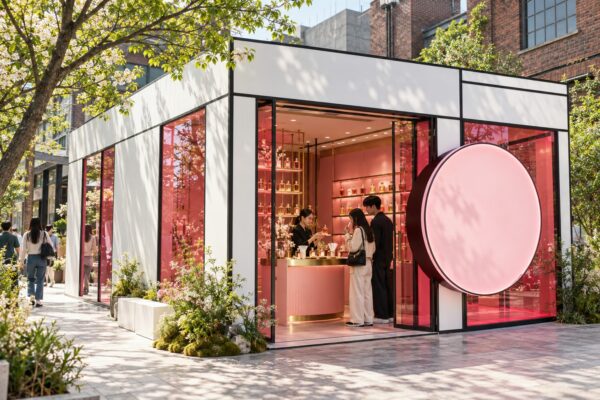
Affordable luxury, an elegance accessible to all
Accessible luxury is no longer a distant promise but a tangible reality. It's about premium experiences and high-end products offered at fair prices , without compromising on quality , creativity , or sustainability . The idea isn't to "make it cheaper," but to rethink value : carefully selected materials, more streamlined processes, increased transparency , and a refined customer experience . The result is a more inclusive elegance, aligned with the desires of an informed, mobile, and impact-conscious generation.
What is accessible luxury?
Accessible luxury refers to an offering that retains the hallmarks of high -end products—design, cut, finishes, and service—while optimizing the value chain to maintain impeccable value for money . In practical terms, this translates into shorter supply chains, improved traceability , streamlined collections, and controlled manufacturing, allowing investment where it truly matters: the quality of materials, comfort , durability , and brand consistency .
Why are consumers driving this change?
The public is better informed, compares more frequently, and demands proof. They expect uncompromising sustainability , quality , and accessibility . This growing awareness is changing the rules: less overproduction, more pieces designed to last, and a direct relationship with the community. Affordable luxury is thus becoming the natural way to combine aesthetics , ethics , and reasonable prices .
The key motivations behind the change
-
Sustainability : responsible materials, controlled volumes, waste reduction and footprint control.
-
Quality : high standards for finishes, cut durability, repairs and after-sales service.
-
Accessibility : a desire for premium style and fair prices , without sacrificing desirability or innovation.
Brands that are redefining the rules
Several brands have clarified this accessible luxury while cultivating a strong image:
-
Reiss : refined and precise tailoring at controlled prices.
-
Everlane : a pioneer in transparency, revealing costs and promoting a timeless.
-
COS : unapologetic minimalism , clean cuts, quality materials at competitive prices .
Beyond fashion, the trend permeates beauty, decoration and hospitality,proving thataccessibility can meet desirability in several areas.
Key trends in accessible luxury
Labels like The Ordinary and Glossier have shaken things up with effective formulas, informative communication , and fair prices. They prioritize ingredients and clear claims , resulting in an perception of quality .
Interior decoration

H&M Home and Zara Home are democratizing interior design : clean lines, contemporary color palettes, and thoughtfully designed pieces. Consumers can create aspirational décor without breaking the bank, while also seeking more sustainable items .
Hospitality and Experiences
Concepts like CitizenM offer bold design , seamless technology , and competitive pricing . You pay for the essentials: comfort , location , and service . The rest is streamlined, without sacrificing the spirit of the place.
The challenges to be met
Saving quality from the temptation of cost
The risk would be diluting quality under the guise of accessibility. Affordable luxury demands rigorous product engineering : good materials, efficient workshops, efficient production schedules, and tight quality control . Value is measured over time, by how it feels to wear , to the touch, and by repairability .
Avoid discount luxury
The positioning must remain clear: curated collections, a legible artistic direction , consistent branding , and a refined retail experience . The goal is not to chase volume, but to deliver lasting value to a loyal audience.
Influencers, social media, and purchasing decisions
Influencers act as trusted intermediaries. Their content—reviews, looks, comparisons—accelerates access to information and reassures consumers about quality . Accessible luxury brands rely on credible and transparent partnerships aligned with their values : ethics , quality , and fair pricing . User - generated content (UGC) and informed reviews become major drivers of conversion
A sustainable future for accessible luxury
The sustainability of accessible luxury will depend on three pillars:
-
Ethical manufacturing : workshops respecting working conditions, audits and traceability.
-
Recycled and eco-designed materials : reducing impact while maintaining a premium aesthetic.
-
Transparency : disclosing the origin, composition, costs , and impact.This honesty builds trust and fosters loyalty.
Luxury for all, without compromising on quality
Affordable luxury is redefining desirability : design , sustainability , and fair pricing all come together in a single offering. It's not a cut-rate version, but a more thoughtful , conscious luxury that resonates with the times.
The brands that will win will be those that combine quality, transparency and customer experience with a genuine long-term vision.
Source: Read the original article